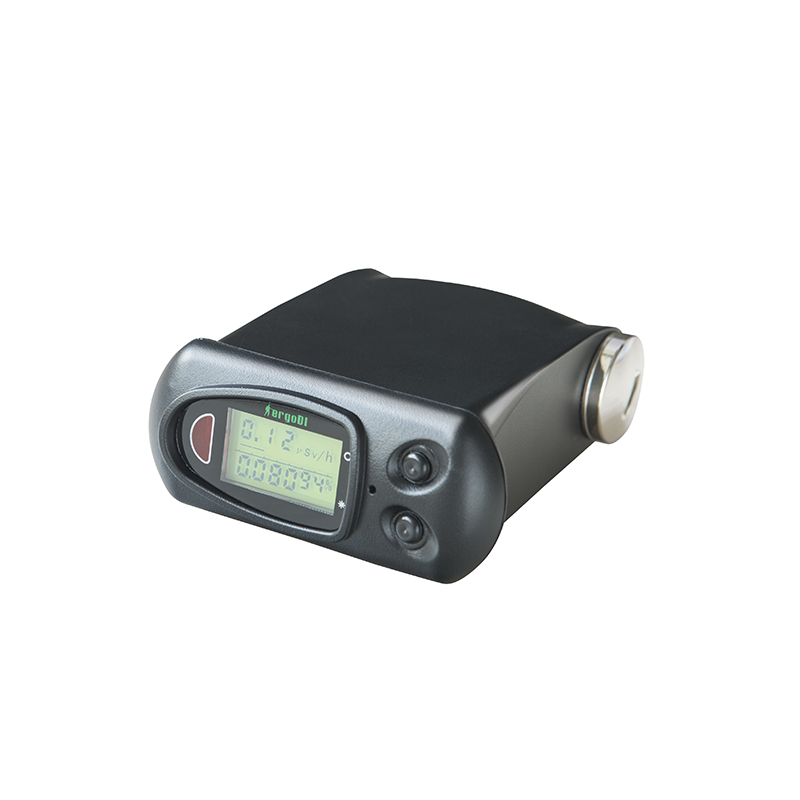
**China Advances Personal Radiation Detection Technology with Latest Innovations**In recent developments within the field of radiation safety, China has made significant strides in personal radiation detection technology. These advancements reflect the country’s commitment to enhancing public health protection, workplace safety, and environmental monitoring through cutting-edge innovation in radiation detection devices.**Enhanced Personal Radiation Detectors for Better Safety**Personal radiation detectors (PRDs) are compact, wearable devices designed to alert individuals to the presence of ionizing radiation in their immediate environment. Widely used across industrial sites, healthcare facilities, nuclear power plants, and emergency response teams, PRDs play a critical role in ensuring that personnel are aware of potential radiation hazards in real time.China’s latest generation of personal radiation detectors offers improved sensitivity, faster response times, and enhanced data logging capabilities. These features enable users to accurately monitor radiation levels, making it easier to take prompt precautionary measures or evacuate if necessary. The device’s ergonomic design and user-friendly interface further support field operatives and health professionals by providing immediate, intuitive access to vital safety information.**Technological Innovations Driving Progress**The remarkable improvements in China's personal radiation detection technology stem from several key innovations. First, the integration of advanced semiconductor sensors has substantially increased the accuracy of the detectors. These sensors are capable of distinguishing between different types of radiation, such as alpha, beta, gamma, and neutron emissions, thus providing more detailed environmental information.Second, connectivity enhancements have been incorporated into the devices, allowing real-time data transmission to centralized monitoring systems via Bluetooth, Wi-Fi, or cellular networks. This makes it possible for safety managers and emergency coordinators to track radiation exposure levels remotely, enabling quicker decision-making and more coordinated responses in case of radiation emergencies.Additionally, ruggedized designs ensure that these detectors can withstand harsh industrial conditions, including extreme temperatures, moisture, and physical impacts. This durability makes them well suited for deployment in a variety of challenging environments, from nuclear plants undergoing maintenance to disaster zones requiring rapid assessment.**Industry Applications and Strategic Importance**China’s advancements in personal radiation detectors align with growing national and global demands for radiation safety. As the country expands its nuclear energy infrastructure and invests heavily in medical technologies that utilize radioactive materials, robust radiation monitoring has become increasingly vital.Industries particularly benefiting from these innovations include nuclear power generation, where consistent radiation monitoring ensures operational safety and regulatory compliance; healthcare, especially in radiology departments and oncology centers, where protecting workers is paramount; and environmental surveillance, as detecting and controlling radiation leakage or contamination safeguards public health.Moreover, enhanced personal radiation detectors are crucial for first responders tasked with managing radiological emergencies, such as nuclear accidents or illicit radioactive material detection. The ability to quickly identify and measure hazardous radiation levels can save lives and mitigate the impact of such incidents.**Supporting China’s National Safety Agenda**These technological advancements are also part of China’s broader strategy to reinforce national safety and environmental protection standards. The Chinese government has prioritized radiation protection as a key public health concern, issuing stringent regulations that guide the use, transport, and disposal of radioactive materials.By encouraging the development and adoption of state-of-the-art personal radiation detection devices, China is helping to build a safer workplace environment and strengthen its emergency preparedness capabilities. These devices provide frontline workers and management teams with the tools they need to maintain safety protocols effectively and respond to potential risks proactively.**Looking Ahead**Industry experts predict that the future of personal radiation detection will be shaped by further miniaturization, smarter sensor technologies, and greater integration with Internet of Things (IoT) systems. China is well positioned to lead this evolution, leveraging its robust research and manufacturing infrastructure and strong governmental support.Investments in artificial intelligence and big data analytics are expected to improve interpretation of radiation data, enabling predictive maintenance, early warning systems, and enhanced worker exposure tracking. As personal radiation detectors become smarter and more connected, they will offer unprecedented support in protecting human health and the environment from radiation hazards.**Conclusion**China’s recent advancements in personal radiation detection technology mark a significant step forward in radiation safety management. With improved sensitivity, real-time connectivity, and rugged design, these detectors empower workers and safety professionals to monitor and respond to radiation risks effectively. These innovations complement China’s national safety objectives and demonstrate the country’s emerging leadership in environmental health technologies. As this technology continues to evolve, it promises to deliver even more comprehensive protection and pave the way for safer industrial, medical, and emergency response operations worldwide.
Read More