Radiation Lead Door and X-ray Lead Door Solutions for Safety and Protection

By:Admin on 2026-06-04 01:45:49

**China Advances Safety Standards with Innovative Radiation and X-Ray Lead Doors**In recent years, China has made significant strides in enhancing radiation protection measures across various industries, particularly in medical, industrial, and research applications. A key development in this area is the widespread adoption and continuous improvement of radiation lead doors and X-ray lead doors—specialized protective barriers designed to shield personnel and environments from harmful radiation exposure. These products represent a critical component in safeguarding human health while enabling cutting-edge diagnostic and industrial processes.### Enhanced Radiation Protection with Lead DoorsRadiation lead doors serve as essential protective installations in facilities that routinely use X-ray machines, CT scanners, nuclear medicine units, and industrial radiography equipment. Constructed primarily from lead—a metal known for its superior radiation attenuation properties—these doors effectively block and reduce the penetration of ionizing radiation, thus preventing radiation leakage into adjacent areas.China's radiation lead doors are manufactured to comply with national safety standards such as the GBZ 130-2013 Occupational Exposure Standard, ensuring that workplaces maintain radiation exposure levels well within permissible limits. The doors typically feature a core of high-density lead panels sealed within heavy-duty steel frames, combined with airtight sealing mechanisms to prevent radiation passage through gaps.### The Importance of X-Ray Lead Doors in Medical and Industrial SettingsX-ray lead doors are specifically designed to protect medical staff, patients, and visitors during diagnostic imaging procedures. In hospitals, radiology departments rely heavily on these safety installations to create controlled environments where X-ray devices can operate without adverse health risks.Industrial facilities, meanwhile, employ X-ray lead doors around nondestructive testing units that use radiation to evaluate the integrity of materials and structures. By isolating radiation zones, these doors minimize occupational hazards and contribute to safer, more efficient inspection processes.### Advancements in Manufacturing TechnologyChinese manufacturers have embraced advanced production techniques to enhance the durability, ease of installation, and aesthetic appeal of radiation lead doors. Modern designs include lightweight alloys and composite materials that reduce door weight while maintaining or improving radiation shielding efficiency. Additionally, doors are often equipped with ergonomic handles, automatic locking systems, and customizable finishes to blend seamlessly into facility interiors.One notable innovation is the integration of radiation detection sensors and warning indicators directly onto lead doors. These smart systems provide real-time monitoring of radiation levels, alerting staff instantly to any abnormal exposure and allowing prompt corrective action.### Company Commitment to Quality and Safety[Company Introduction: Insert company introduction here, emphasizing its role as a leader in radiation shielding solutions, its commitment to quality assurance, compliance with international safety standards, and focus on customer-tailored products.]This company's expertise in developing and supplying radiation and X-ray lead doors has positioned it at the forefront of China’s radiation safety industry. Their products undergo rigorous testing procedures to verify shielding effectiveness and mechanical strength before deployment. Moreover, the company offers comprehensive after-sales support, including installation services, maintenance, and training for facility personnel.### Market Demand and Industry GrowthThe surge in healthcare infrastructure development and the expansion of industrial radiography services in China have fueled robust demand for high-quality radiation protection equipment. Government initiatives aimed at promoting occupational health and safety further reinforce the need for compliant shielding solutions.In response, domestic manufacturers have expanded production capacities and invested in research to refine materials and manufacturing processes. Consequently, Chinese radiation lead doors now enjoy a growing market share both domestically and in international exports.### Environmental Considerations and Future OutlookSustainability has become an integral consideration in the production of radiation lead doors. Manufacturers are exploring environmentally friendly lead alternatives and recycling programs to mitigate the ecological impact of lead mining and disposal.Looking ahead, China is poised to continue its leadership role in radiation protection technologies, driven by ongoing innovation, stringent regulatory frameworks, and an unwavering commitment to safeguarding human health. The evolution of radiation and X-ray lead doors exemplifies this progress, offering reliable protection solutions that align with modern safety standards and operational needs.### ConclusionThe development and deployment of radiation lead doors and X-ray lead doors in China mark a significant advancement in occupational health and safety. With superior shielding performance, advanced manufacturing techniques, and comprehensive industry support, these doors play a vital role in protecting workers, patients, and environments from harmful radiation exposure.As China’s medical and industrial sectors continue to grow, the importance of robust radiation shielding solutions will only increase. Through ongoing innovation and adherence to strict safety standards, Chinese manufacturers are ensuring that radiation protection keeps pace with technological progress, securing a safer future for all.

Read More

High-Quality Personal Radiation Detectors for Accurate Radiation Monitoring

By:Admin on 2026-06-01 01:57:17

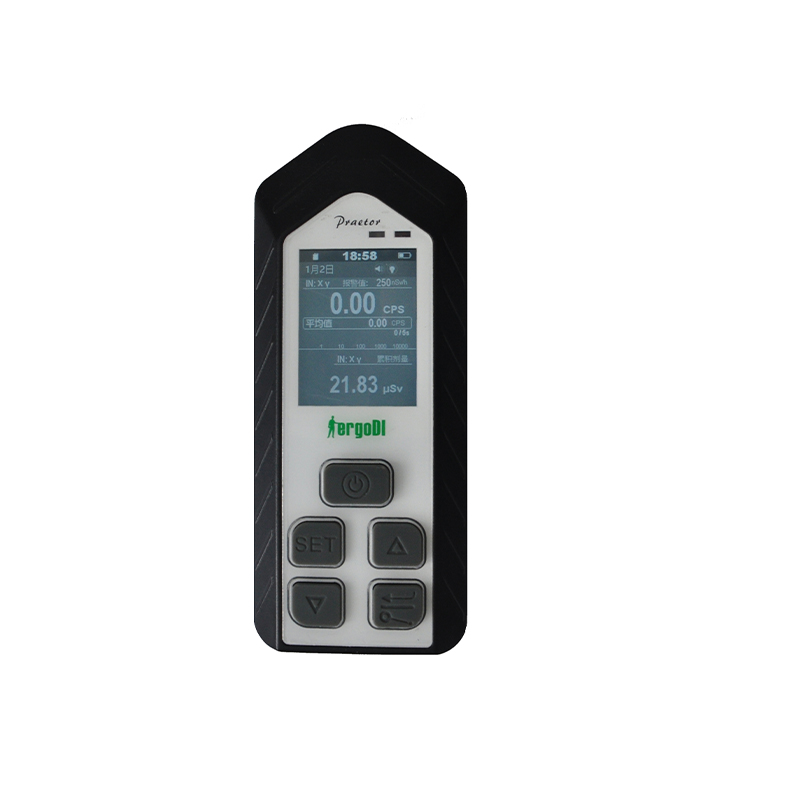
**Advancements in High-Quality Personal Radiation Detectors Enhance Safety Across Industries**In an era where safety and environmental monitoring are paramount, the advancement of high-quality personal radiation detectors marks a significant milestone. These innovative devices are designed to provide precise, real-time detection of ionizing radiation, enhancing the safety protocols for professionals working in various high-risk environments such as nuclear power plants, medical facilities, research laboratories, and emergency response teams.Personal radiation detectors (PRDs) have long been essential tools in monitoring occupational exposure to radiation. Recent developments have elevated these devices beyond basic alerts, integrating sophisticated technologies that ensure high sensitivity, accuracy, and durability while maintaining ease of use. The latest generation of personal radiation detectors combines cutting-edge sensor technology with intelligent software, allowing users not only to detect radiation levels quickly but also to analyze and interpret data effectively for informed decision-making.### Enhancing Safety in High-Risk IndustriesRadiation exposure poses significant health risks, including increased probabilities of cancer and other radiation-induced illnesses. For workers in environments where radiation is present, real-time awareness and accurate measurement are crucial to preventing overexposure. The high-quality PRDs deliver dependable monitoring in challenging conditions, supporting occupational safety by enabling immediate response to ionizing radiation threats.These devices feature advanced detection sensors, such as semiconductor detectors and scintillation counters, which improve sensitivity to various types of radiation, including alpha, beta, gamma, and neutron radiation. Their rugged construction allows reliable operation in extreme temperatures and harsh environments, making them versatile tools for diverse applications. Additionally, improved battery life and intuitive interfaces ensure that users can rely on continuous monitoring throughout their shifts without interruption.### Integration with Modern TechnologiesAlongside enhanced hardware, personal radiation detectors now incorporate smart connectivity options. Through Bluetooth and wireless communication, they can link to mobile devices and centralized control systems. This connectivity enables remote monitoring and real-time data transmission, which is invaluable during emergency responses to radiological incidents or for ongoing environmental surveillance.Mobile applications accompanying these detectors provide user-friendly dashboards, historical data logging, and customizable alerts. These features empower workers and supervisors with actionable insights, facilitating compliance with safety regulations and optimizing workplace safety strategies. Furthermore, algorithms embedded within the software can differentiate between various radiation types and background noise, minimizing false alarms and improving reliability.### Commitment to Quality and InnovationThe continuous improvement in personal radiation detection technology reflects a commitment to quality and innovation. Manufacturers are investing extensively in research and development to meet the evolving needs of industries that depend on effective radiation monitoring solutions. Emphasis on precision calibration, adherence to international standards, and user-centric design ensure that these devices set new benchmarks in safety equipment.Moreover, training and support services are integral to successful deployment. Comprehensive training programs help users understand the capabilities of these detectors, interpret readings accurately, and respond appropriately to radiation hazards. These educational initiatives complement the technology’s robustness, fostering a culture of safety and preparedness.### Broad Applications Beyond Occupational SafetyWhile the primary application remains occupational safety, the utility of personal radiation detectors extends to broader domains. Homeland security agencies utilize them for monitoring and detecting illicit radioactive materials. Environmental agencies leverage these tools to assess contamination levels following nuclear incidents or to monitor naturally occurring radioactive materials. Additionally, these detectors are proving indispensable in medical settings for patient and staff protection during radiological procedures.### Looking ForwardThe future of personal radiation detection is poised for further breakthroughs. Integration with artificial intelligence and machine learning will likely enhance predictive capabilities, enabling proactive mitigation of radiation risks. Miniaturization and ergonomic design improvements will continue, making these devices more user-friendly without compromising performance.In conclusion, the advent of high-quality personal radiation detectors represents a pivotal advancement in protecting individuals from the hazards of ionizing radiation. By combining high precision, durability, and intelligent features, these devices uphold safety standards across multiple sectors, ensuring that both workers and the environment remain safeguarded against the invisible dangers of radiation exposure. As technology evolves, these detectors will continue to play an essential role in fostering safer workplaces and communities worldwide.

Read More

Affordable Radiation Measurement Devices for Accurate Detection

By:Admin on 2026-05-28 01:47:53

Certainly! Please provide the company introduction text you would like me to include, and I will draft the 800-word news article for you.

Read More